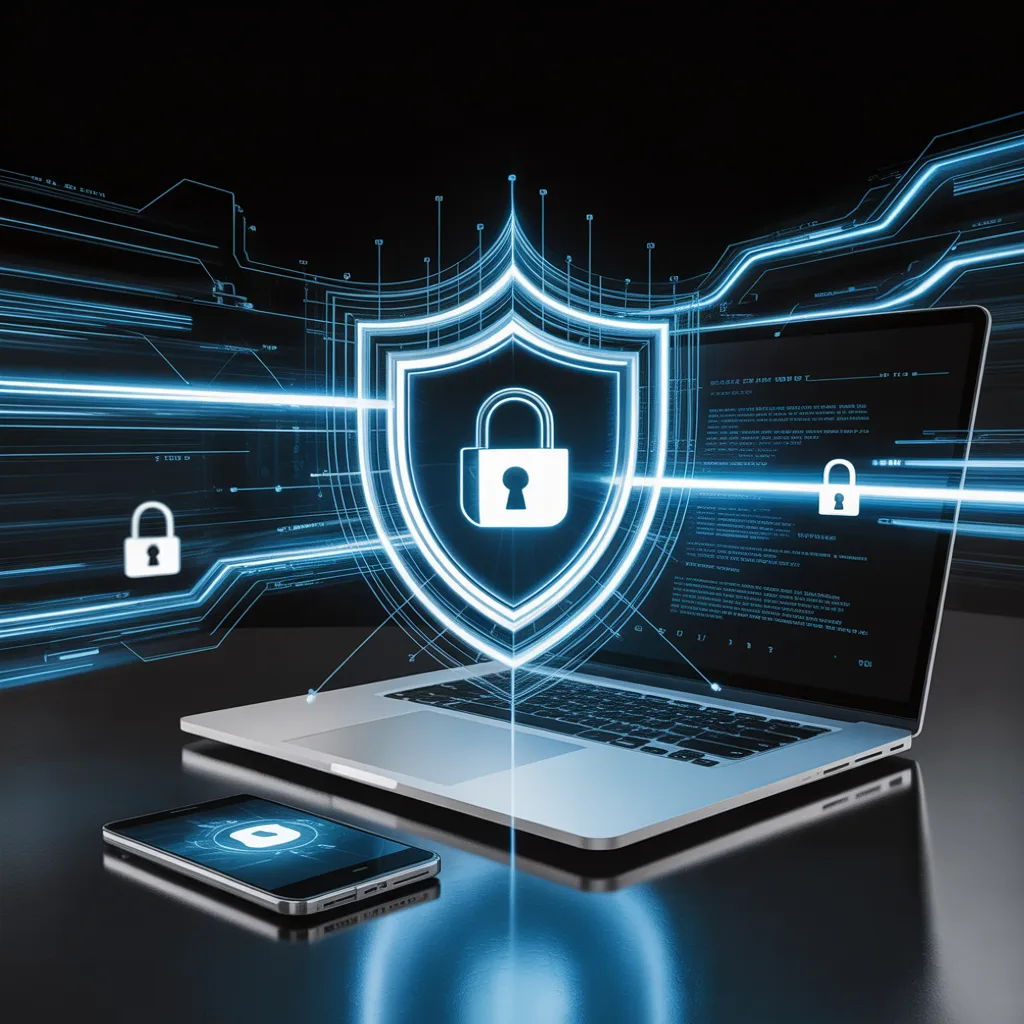
As we navigate through 2026, our digital lives are more complex than ever. With the rise of sophisticated phishing and deepfake technology, traditional antivirus software is no longer enough. You need an AI Cyber Guardian 2026—a proactive, intelligent shield that monitors your digital footprint in real-time.
The Evolution of Personal Security in 2026
Cybersecurity has moved from “reacting to threats” to “predicting them.” AI-driven security tools now act as a personal bodyguard for your data, financial accounts, and even your voice and face.
1. Real-Time Deepfake Detection
The most critical feature of the Best AI Cyber Guardian 2026 is the ability to spot AI-generated scams. Whether it’s a fake video call from a “family member” or a cloned voice, your cyber guardian analyzes metadata and patterns to alert you instantly of a potential fraud.
2. Autonomous Identity Monitoring
In 2026, hackers move fast, but AI moves faster. An AI Cyber Guardian constantly scans the dark web for your leaked credentials and automatically changes your passwords or freezes sensitive accounts before any damage can occur.
Security Tip: Protecting your identity is the first step to digital freedom. Check out our list of the [10 Best Free AI Tools in 2026] to find free encrypted managers and privacy tools that keep your data safe.
3. Privacy-First Browsing and Communication
AI security tools now act as a filter for your emails and messages. They don’t just block spam; they understand the intent behind a message, protecting you from social engineering attacks that humans often miss.
Professional Safety: If you are building an online business, your site’s security is your reputation. Learn [How to Build Your Professional Website Using AI] with built-in security features to protect your clients and your brand.
Conclusion: Peace of Mind in a Digital Age
The Best AI Cyber Guardian 2026 is not an option anymore; it is a necessity. By leveraging artificial intelligence for your defense, you can enjoy the benefits of technology without the constant fear of cyber threats.